Thirty years covering
space travel, rockets, and launch missions.
Space Travel has been reporting since 1995. Browse the full archive below by year and month, or jump to a beat: Space Travel, Rocket Science, Launch Pad.
Recent
All articles →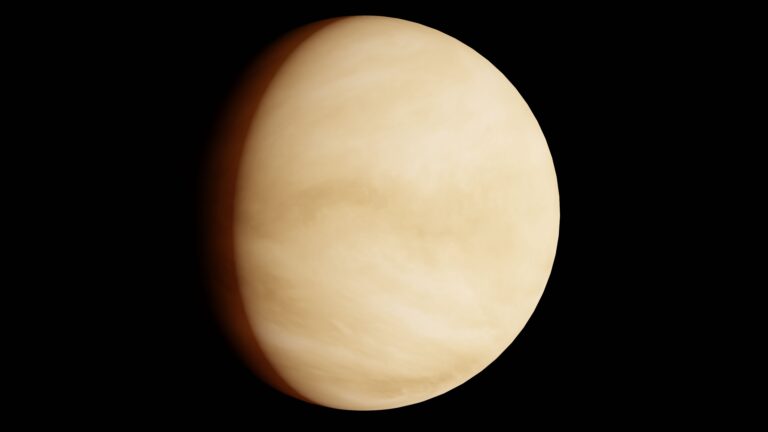
Venus’s 467°C surface can melt lead and has destroyed landers within minutes or hours, yet at roughly 50 kilometres altitude its thick atmosphere provides radiation shielding comparable to Earth’s. Curiosity measured about 0.67 millisieverts per day on the Martian surface, making a floating Venus habitat substantially safer from radiation—though certainly not from sulphuric acid, carbon dioxide or the challenges of remaining airborne.
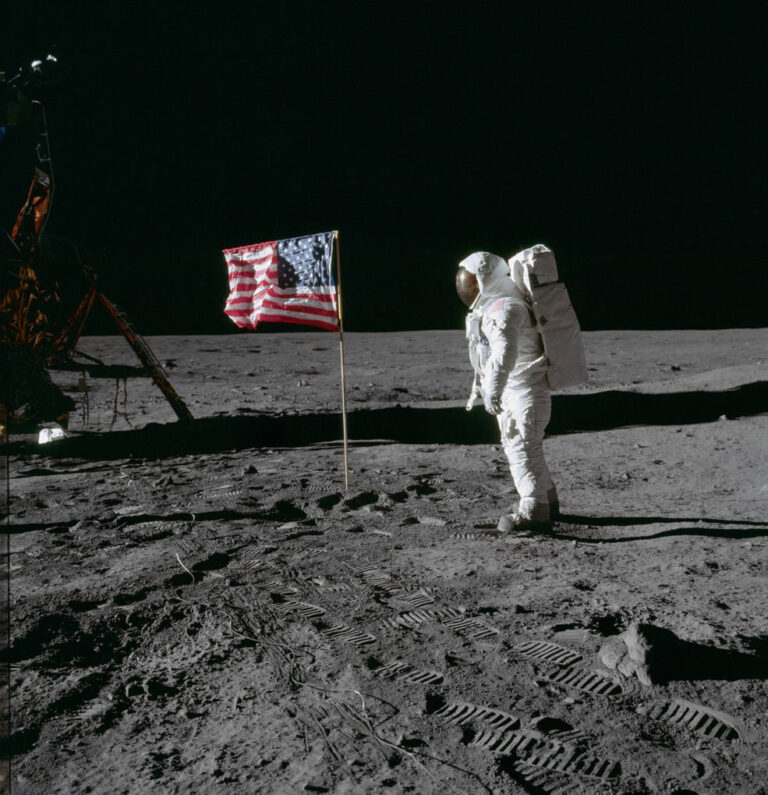
The flag Apollo 11 planted on the Moon cost just $5.50, and when the Lunar Reconnaissance Orbiter examined the six landing sites in 2012, shadows indicated that five flag assemblies were still standing. Apollo 11’s had apparently been flattened by the lunar module’s ascent exhaust, while decades of unfiltered ultraviolet radiation may have bleached the surviving nylon flags white.
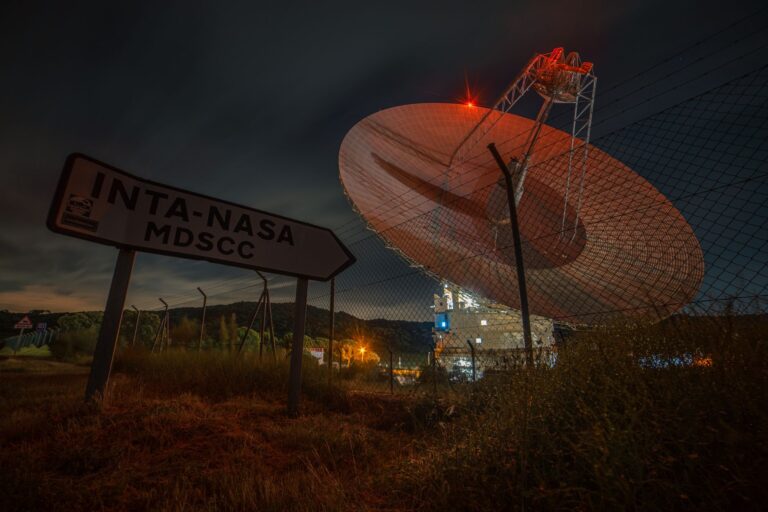
The Voyager probes were built to last five years. Forty-nine years later, NASA engineers performed an all-at-once power-saving swap on Voyager 2—despite commands taking about 20 hours to reach it—to keep its final three science instruments operating for at least another year, a challenge far beyond anything envisioned in its original design.
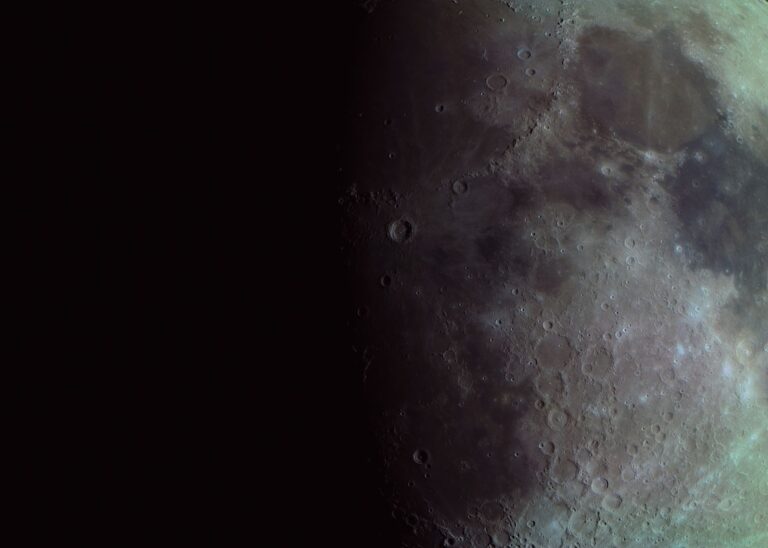
When Luna 9 made the first successful soft landing on the Moon on 3 February 1966, astronomers at Jodrell Bank recognised that its unencrypted picture signal resembled the Radiofax format used by newspapers. The Daily Express supplied a facsimile receiver, allowing the first photographs from the lunar surface to appear in Britain before Moscow officially released them.