The future of travel beyond Earth.
Space Travel

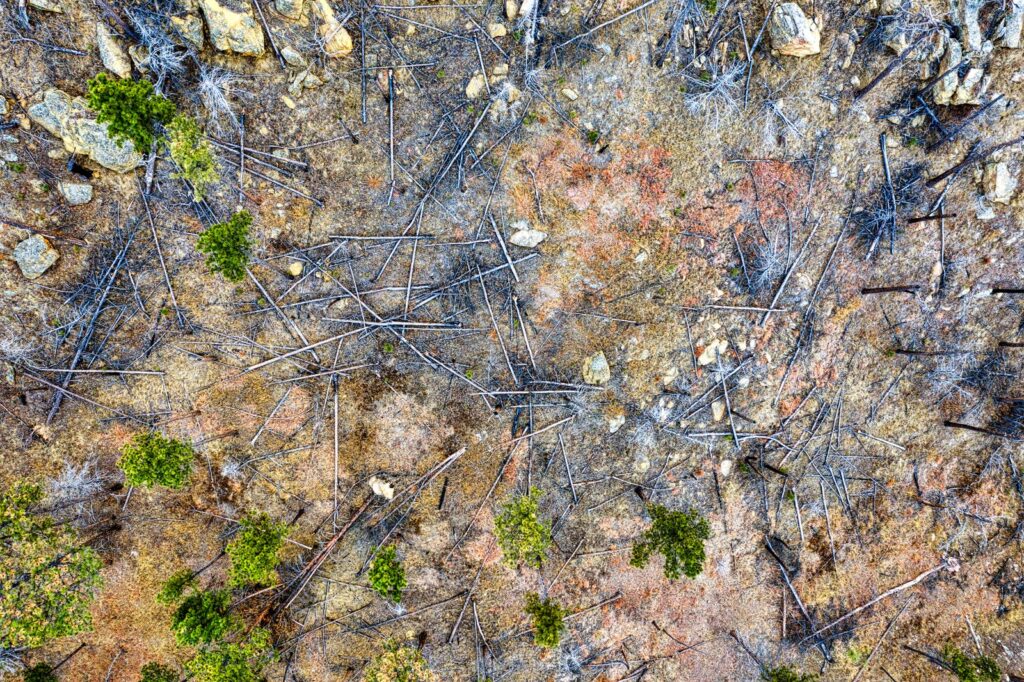
The Tunguska object vaporised almost entirely in the airburst, so Leonid Kulik's 1920s and 1930s expeditions mapped the event not from a crater but from the radial pattern of felled and scorched trees stretching hundreds of square kilometres from the epicentre

The 1908 Tunguska explosion flattened 2,150 square kilometres of Siberian forest without leaving a crater. Leonid Kulik's expeditions reconstructed the event entirely from the radial pattern of felled trees — and a century later, the airburst remains the largest cosmic impact in recorded human history.


Latest

All articles →

What’s up in

Space Travel

Human spaceflight, commercial missions, astronaut life, station operations, space medicine, and the technologies making travel beyond Earth more accessible.

What’s up in

Rocket Science

Rockets, propulsion systems, spacecraft engineering, launch vehicles, and the technical breakthroughs carrying people and payloads safely into space.

What’s up in

Launch Pad

Launch campaigns, mission countdowns, launch providers, orbital operations, and the infrastructure that turns spacecraft plans into flight.

About Space Travel

The future of travel beyond Earth.

Space Travel is an independent publication covering human spaceflight, commercial missions, rocket technology, launch operations, and the engineering driving the future of exploration. The site pairs a deep archive with current reporting on the agencies, companies, research programs, and technical breakthroughs shaping how people and payloads move beyond Earth. We employ modern AI technologies to support our editorial workflows; every published piece is editorially directed and reviewed.

More about us →